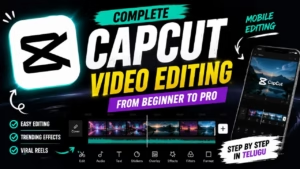
Video editing is the process of arranging, modifying, and enhancing video clips to create a polished final product. Whether it is a YouTube vlog, a short film, a business advertisement, or a social media reel, editing transforms raw footage into a compelling visual story. Think of video editing as putting together pieces of a puzzle. The camera captures the pieces, but the editor decides how they fit together to create meaning and emotion. Capcut Video Editing App.
In today’s digital-first world, video content dominates almost every online platform. Millions of videos are uploaded daily, and competition for attention is fierce. Simply recording footage is no longer enough. Effective editing can make an average video feel professional and engaging. Through careful cuts, smooth transitions, sound enhancement, and color adjustments, editors shape the viewer’s experience from beginning to end.
The demand for video editing skills has skyrocketed because businesses, influencers, educators, and brands all rely heavily on video marketing. A well-edited video can increase audience engagement, improve watch time, and encourage viewers to take action. Whether you are creating content for fun or building a professional career, understanding video editing fundamentals is one of the most valuable skills you can learn in the digital age.
Understanding the Basics of Video Editing
At its core, video editing involves selecting the best footage and arranging it in a logical sequence. Editors remove unnecessary sections, correct mistakes, and combine clips to create a smooth narrative. This process may sound simple, but it requires creativity, technical expertise, and a deep understanding of storytelling.
Editors use timelines within editing software to organize footage. These timelines allow them to place video clips, audio tracks, graphics, and visual effects in a structured manner. Every decision influences how viewers perceive the content. Even a one-second adjustment can change the pace and emotional impact of a scene.
Modern editing also includes advanced techniques such as motion graphics, visual effects, subtitles, and animation. These elements help creators stand out in crowded digital spaces. As audiences become more selective about the content they watch, editors play an increasingly important role in determining whether a video succeeds or fails.
Why Video Editing Matters Today
The internet has transformed video from a luxury medium into a daily communication tool. Businesses use videos to explain products, educators use them to teach lessons, and influencers use them to build personal brands. In every case, editing acts as the bridge between raw footage and audience engagement.
Imagine watching a movie with random scenes placed out of order. It would feel confusing and frustrating. Editing provides structure and clarity. It ensures that viewers understand the message while staying emotionally connected to the content.
Strong editing also improves professionalism. Even content recorded on a smartphone can look impressive when edited properly. Clean transitions, balanced colors, clear audio, and strategic pacing help videos compete with high-budget productions. This ability to elevate content is why video editing remains one of the most valuable skills in content creation.
The Evolution of Video Editing
Video editing has come a long way from its early beginnings. Decades ago, editors physically cut and joined strips of film using specialized equipment. This process required patience, precision, and significant technical expertise. Making even a small change could take hours.
Today, digital editing has revolutionized the industry. Editors can instantly rearrange scenes, add effects, and experiment with different creative approaches without damaging original footage. The shift from physical film to digital workflows has made editing more accessible than ever before.
Technology continues to push boundaries. Artificial intelligence, cloud-based collaboration, and automated editing tools are transforming how creators work. Tasks that once required large production teams can now be accomplished by a single individual using a laptop.
Traditional Editing Methods
Before computers became mainstream, editors worked with actual film reels. Every cut required manual handling of physical film strips. Precision was essential because mistakes could permanently damage valuable footage.
Despite the limitations, traditional editing taught valuable storytelling principles that remain relevant today. Editors focused heavily on pacing, continuity, and emotional impact because every edit required deliberate effort. These foundational concepts continue to influence modern editing techniques.
Many legendary films were edited using these traditional methods. Their success demonstrates that while technology changes, strong storytelling remains the heart of effective video editing.
The Rise of Digital Editing
Digital editing software changed everything. Programs now allow editors to work non-destructively, meaning original footage remains untouched. This flexibility encourages experimentation and creativity.
Modern editors can access powerful features such as multi-camera editing, visual effects, color grading, and advanced audio processing. Tasks that once required expensive studios are now available to creators at home.
The rise of social media platforms has further accelerated demand for digital editing skills. Content creators need fast, efficient workflows to produce engaging videos regularly. Digital tools make this possible while maintaining professional quality standards.
Essential Video Editing Tools
Successful video editing depends on having the right tools. While creativity is crucial, technology provides the foundation that allows ideas to become reality. Editors need a balance of hardware and software that can handle demanding workloads efficiently.
A powerful computer improves editing speed and reduces frustration. Video files are often large and resource-intensive. Slow hardware can significantly impact productivity, especially when working with high-resolution footage.
Choosing the right software is equally important. Different programs cater to different skill levels and project requirements. Some prioritize simplicity, while others offer advanced professional features.
| Component | Importance | Recommended Use |
|---|---|---|
| Processor | High | Faster rendering |
| RAM | High | Smooth multitasking |
| Graphics Card | Medium to High | Effects and color grading |
| Storage | High | Managing large video files |
| Editing Software | Essential | Video creation and enhancement |
Hardware Requirements
A capable editing setup begins with a strong processor and sufficient memory. Modern video editing software relies heavily on system resources, especially when handling 4K and higher-resolution content.
Storage is another critical consideration. Video projects often consume hundreds of gigabytes. Fast SSD storage improves loading times, playback performance, and rendering efficiency. External drives also help manage large archives.
Professional editors frequently invest in color-accurate monitors, audio monitoring equipment, and backup systems. These additions improve workflow quality and ensure consistent results across different viewing environments.
Software Options
Editing software varies significantly in complexity and capabilities. Beginners often prefer intuitive interfaces that simplify learning, while professionals require advanced tools for complex productions.
Beginner-Friendly Software
Beginner-focused programs emphasize ease of use. They offer drag-and-drop functionality, pre-built templates, and simplified workflows. These tools help new editors learn essential concepts without becoming overwhelmed by technical details.
Many beginner applications include automatic editing features powered by artificial intelligence. These features can generate highlights, suggest transitions, and streamline repetitive tasks, making content creation more accessible.
Professional Editing Software
Professional software provides extensive control over every aspect of the editing process. Advanced timelines, visual effects integration, color grading suites, and audio mixing tools enable editors to produce cinematic-quality content.
These programs often support collaboration, allowing multiple team members to work on the same project. This capability is especially valuable in commercial production environments where efficiency and teamwork are critical.
Core Video Editing Techniques
Mastering video editing requires understanding several fundamental techniques. These techniques form the building blocks of professional content creation and help transform raw footage into polished productions.
The most important skill is knowing when to cut. Every edit should serve a purpose, whether it improves pacing, removes distractions, or enhances storytelling. Effective editing feels invisible because viewers remain focused on the content rather than the editing itself.
Professional editors carefully balance creativity with clarity. While visual effects and transitions can add excitement, they should support the story rather than distract from it.
Cutting and Trimming
Cutting and trimming are among the most essential editing skills. These techniques remove unnecessary footage and improve pacing. A well-trimmed video keeps viewers engaged by eliminating delays and repetitive moments.
Editors often spend more time removing footage than adding effects. This process requires critical thinking and an understanding of audience expectations. Every second matters, especially on platforms where attention spans are limited.
Strategic cuts also influence emotional impact. Quick cuts create energy and excitement, while longer shots allow viewers to absorb important moments. Mastering this balance is key to effective storytelling.
Transitions and Effects
Transitions help connect scenes smoothly. Popular options include fades, dissolves, and wipes. While transitions can enhance flow, excessive use often appears amateurish.
Visual effects add creativity and excitement when used thoughtfully. Effects can emphasize important moments, create atmosphere, or communicate information more effectively. The best effects feel natural and support the overall narrative.
Successful editors understand restraint. Rather than filling every scene with flashy elements, they use effects strategically to strengthen storytelling and maintain viewer focus.
Color Correction and Grading
Color correction ensures footage appears natural and consistent. Different cameras, lighting conditions, and environments can create color variations that need adjustment.
Color grading goes a step further by establishing a specific visual style. Warm tones may create comfort and nostalgia, while cooler tones can suggest tension or professionalism. These choices influence how audiences feel about the content.
Professional color work can dramatically improve production value. Even simple adjustments to contrast, brightness, and saturation can make footage look significantly more polished and engaging.
Audio Editing in Video Production
Many creators focus heavily on visuals while overlooking audio quality. This is a mistake because poor audio often drives viewers away faster than poor video quality. Clear sound creates a professional impression and improves audience retention.
Audio editing includes noise reduction, volume balancing, equalization, and music integration. Each element contributes to a more immersive viewing experience. Viewers may forgive occasional visual imperfections, but distracting audio problems quickly become frustrating.
Professional editors dedicate substantial time to audio refinement because it significantly impacts overall content quality. Great audio supports storytelling, enhances emotions, and improves communication effectiveness.
Importance of Quality Audio
Audio shapes how viewers perceive content. Clean dialogue improves understanding, while background music influences emotional responses. Together, these elements create a cohesive viewing experience.
Imagine watching an inspiring video with distorted sound and constant background noise. The message loses impact regardless of how impressive the visuals appear. Quality audio ensures the audience remains focused on the content rather than technical distractions.
Investing in audio improvement often delivers greater audience satisfaction than investing solely in visual upgrades. This makes audio editing an essential component of successful video production.
Audio Enhancement Techniques
Editors use various techniques to improve sound quality. Noise reduction removes unwanted background sounds, while equalization enhances clarity and balance. Compression helps maintain consistent volume levels throughout a video.

Music selection also plays a critical role. Appropriate music reinforces emotions and strengthens storytelling. The key is ensuring music complements rather than overwhelms dialogue or narration.
Professional audio editing creates a seamless listening experience that supports the visual narrative. When done effectively, viewers rarely notice the audio itself because it feels natural and immersive.
Creating Engaging Content Through Editing
Editing is about more than technical precision. It is about creating experiences that capture attention and inspire action. Great editors understand psychology, storytelling, and audience behavior.
Every editing decision should support engagement. From opening hooks to final calls-to-action, editors guide viewers through a carefully crafted journey. This process requires understanding what audiences value and how they consume content.
Successful content balances information, entertainment, and emotional connection. Editing brings these elements together into a cohesive experience that keeps viewers watching.
Storytelling Through Video
Storytelling is the foundation of compelling video content. Even simple videos benefit from a clear narrative structure with a beginning, middle, and end.
Editors shape stories by deciding what viewers see and when they see it. Strategic sequencing creates curiosity, builds tension, and delivers satisfying resolutions. These techniques help maintain audience interest throughout the video.
Strong storytelling transforms ordinary footage into memorable experiences. It gives content purpose and helps viewers connect emotionally with the message being communicated.
Maintaining Viewer Retention
Viewer retention is one of the most important metrics in modern content creation. High retention signals quality and increases visibility on many platforms.
Editors improve retention by maintaining pace, removing unnecessary sections, and introducing visual variety. Frequent changes in camera angles, graphics, and scene composition help sustain interest.
Understanding audience behavior allows editors to anticipate when attention may decline and adjust content accordingly. This proactive approach helps maximize engagement and overall performance.
Common Video Editing Mistakes to Avoid
Many beginners make mistakes that reduce content quality. Overusing transitions, relying excessively on effects, and neglecting audio are common issues. These problems often distract viewers rather than enhancing the viewing experience.
Another frequent mistake is inconsistent pacing. Videos that move too slowly lose attention, while videos that move too quickly can feel overwhelming. Finding the right rhythm requires practice and audience awareness.
Ignoring organization can also create workflow challenges. Proper file management, labeling, and project structure improve efficiency and reduce the risk of errors. Professional editors understand that successful projects depend on both creativity and organization.
Future Trends in Video Editing
The future of video editing is being shaped by artificial intelligence, automation, and cloud technology. AI-powered tools can already generate subtitles, identify highlights, and automate repetitive tasks. These innovations help creators work faster while maintaining quality.
Cloud-based collaboration is becoming increasingly important as remote work grows. Teams can edit projects together from different locations, improving flexibility and productivity.
Virtual reality, augmented reality, and immersive media are also creating new opportunities. As technology evolves, editors will continue adapting their skills to meet changing audience expectations. The core principles of storytelling and creativity will remain essential, even as tools become more advanced.
Conclusion
Video editing is both an art and a science. It combines creativity, technical expertise, and storytelling to transform raw footage into meaningful experiences. Whether you are producing content for social media, business marketing, education, or entertainment, editing plays a crucial role in determining success.
The journey to becoming a skilled editor requires practice, patience, and continuous learning. By mastering fundamental techniques such as cutting, audio enhancement, color grading, and storytelling, creators can significantly improve content quality and audience engagement. As technology continues to evolve, those who embrace new tools while maintaining strong storytelling principles will remain ahead of the curve.